Ghana is intensifying efforts to ratify the Seafarers’ Identity Documents Convention, 2003 (C185), as authorities move to remove long-standing barriers facing Ghanaian seafarers and unlock significant economic potential within the maritime sector.
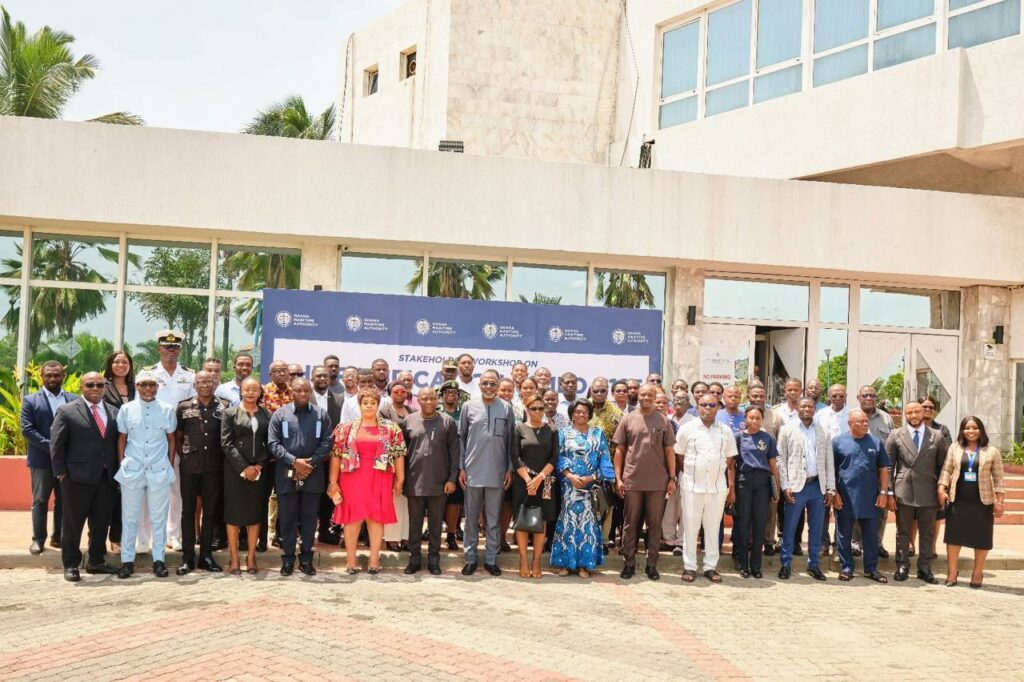
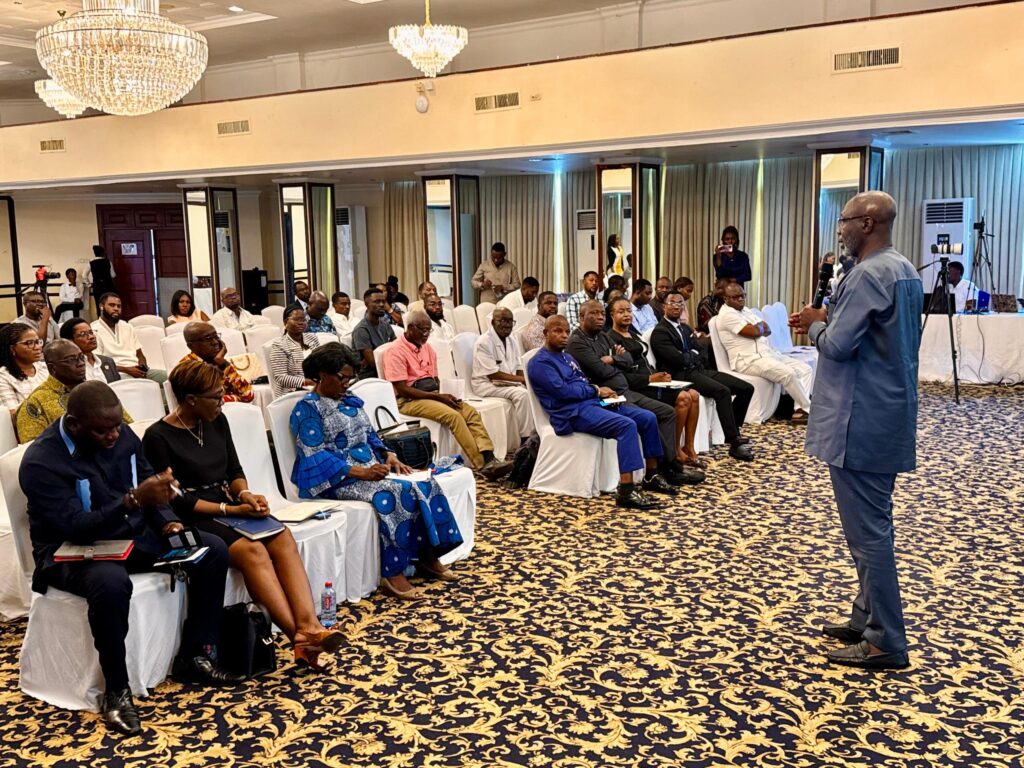
The push, led by the Ghana Maritime Authority, formed the focus of a high-level stakeholder engagement held in Accra, where government officials, maritime experts and industry players gathered to deliberate on the way forward for the ratification and implementation of the convention.
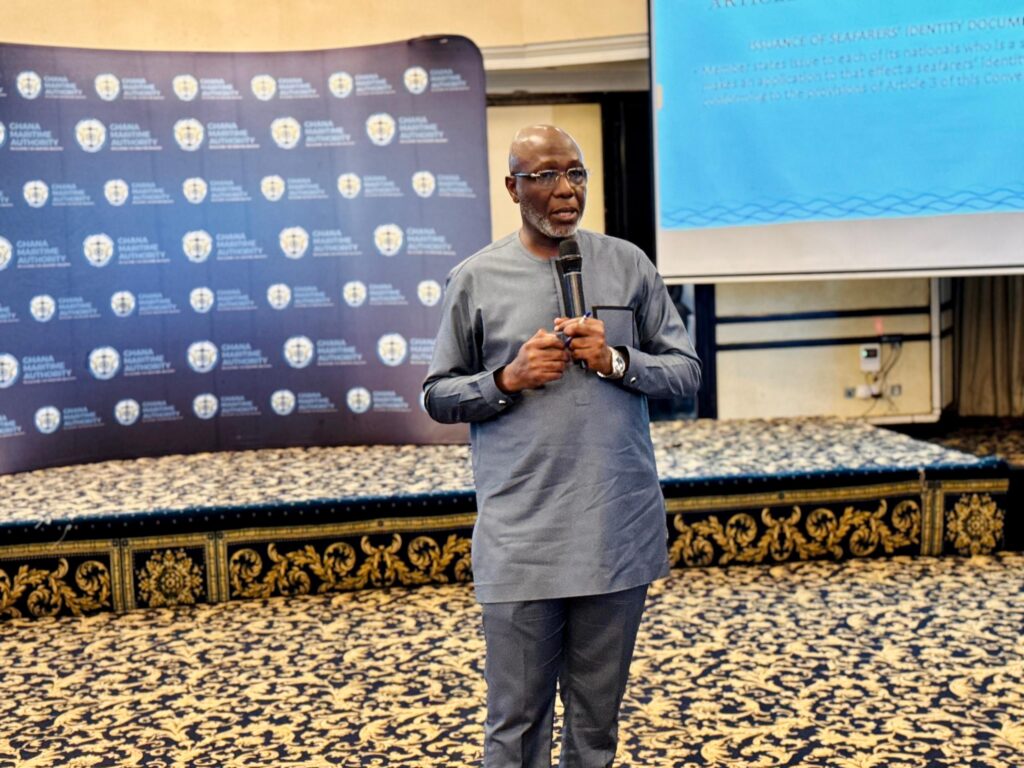
Speaking in an interview with HAFIZ TV, the Director-General of the Authority, Dr. Kamal-Deen Ali, described the process as a critical national priority tied to youth employment, economic growth and Ghana’s global competitiveness in the maritime industry.
“This is a very important stakeholder dialogue to facilitate Ghana’s ratification of Convention 185,” he said. “We are a country with significant potential in seafaring, and as part of the President’s reset agenda and the promotion of youth employment, we are taking that potential very seriously.”
He noted that although Ghana possesses the human resource capacity to thrive in the global seafaring industry, the failure to ratify the convention has limited opportunities for many young people seeking employment at sea.
“You can have potential but fail to exploit it to the maximum. We are not going to do that. We are exploring every angle to expand seafaring opportunities for Ghanaian youth who can become global employees,” he added.
Dr Ali explained that the C185 convention introduces a biometric identity document for seafarers, designed to function like an internationally recognised travel card, enabling seamless movement across ports without the need for complex visa processes.
“When flight crew arrive in countries, they are allowed entry and exit without difficulty. In the same way, this convention provides a globally accepted identity card with biometric data that allows seafarers to travel without challenges,” he said.
According to him, once ratified, Ghana will issue internationally compliant biometric identity cards, improving both security and credibility while aligning the country with global best practices.
Beyond mobility, Dr Ali highlighted the strong economic case for ratification, stressing that seafaring presents a high-value income stream for both individuals and the national economy.
“Seafaring employment is lucrative. Apart from individuals being gainfully employed, they repatriate their earnings back home. One seafarer can bring in thousands of dollars monthly,” he stated.
He explained further that, unlike many professions, seafarers have limited expenditure while at sea, enabling them to save and remit substantial amounts consistently.
“On average, a seafarer can earn around one thousand dollars or more monthly and spend very little. That means a significant portion of that income comes back into the Ghanaian economy. One seafarer’s remittance can be equivalent to what several local workers contribute,” he said.
He pointed to countries such as the Philippines, which have built strong economic inflows through seafarers’ remittances, as examples Ghana aims to emulate.
“These are some of the opportunities we are working to harness to strengthen our economy,” he added.
In an interview, maritime expert and lecturer at the Regional Maritime University, Captain Joshua Nii Addo, outlined the practical challenges Ghanaian seafarers face due to the country’s non-ratification of the convention.
He cited Brazil as a key example, where strict requirements have made it increasingly difficult for Ghanaian seafarers to operate.
“Brazil has imposed sanctions on vessels that have Ghanaian seafarers on board,” he explained. “If C185 is not ratified, vessels risk fines, and seafarers must obtain special visas, which is a long and costly process.”
According to him, the situation has created a major disadvantage for Ghanaian seafarers in the global job market.
“The documentation process alone is expensive. A single notary document can cost about 1,500 dollars. Ship owners are not willing to bear these costs, and it makes Ghanaian seafarers less attractive for employment,” he said.
He added that recent visa restrictions and administrative challenges have further worsened the situation, preventing many seafarers from accessing job opportunities.
“Some embassies even halted visa issuance for a period, which meant seafarers could not travel to join vessels. This is affecting livelihoods and opportunities,” he noted.
Captain Addo stressed that ratifying the convention would remove these barriers, reduce costs and restore confidence among international shipping companies.
“This will reduce the burden, cut costs and open up more opportunities. It is a necessary step if we want to remain competitive,” he said, expressing optimism that the process would be completed within the expected timeframe.
“This is just the beginning of the ratification process. We are hopeful that within the next six months, we will see real progress and implementation,” he added, while commending the leadership of the Ghana Maritime Authority for initiating the process.
The stakeholder engagement is expected to feed into formal processes involving the Ministry of Transport, Cabinet and Parliament, where the convention will undergo the required approvals before full implementation.
Once ratified, Ghana is expected to begin issuing biometric seafarer identity cards, a move that will significantly improve international access, reduce bureaucratic barriers and enhance the country’s standing in the global maritime industry.
Stakeholders at the forum described the initiative as a strategic intervention that goes beyond regulation, positioning Ghana to harness the full economic benefits of its maritime workforce while creating sustainable employment opportunities for its youth.