
The Ghana Refugee Board (GRB), in partnership with the United Nations High Commissioner for Refugees (UNHCR) and other stakeholders, has marked World Refugee Day 2025 with a strong appeal for greater inclusion, sustainable support and economic opportunities for refugees living in Ghana.
The event brought together government officials, humanitarian organisations, development partners, refugee representatives and members of host communities to reflect on the challenges facing displaced populations and to reaffirm Ghana’s commitment to refugee protection.
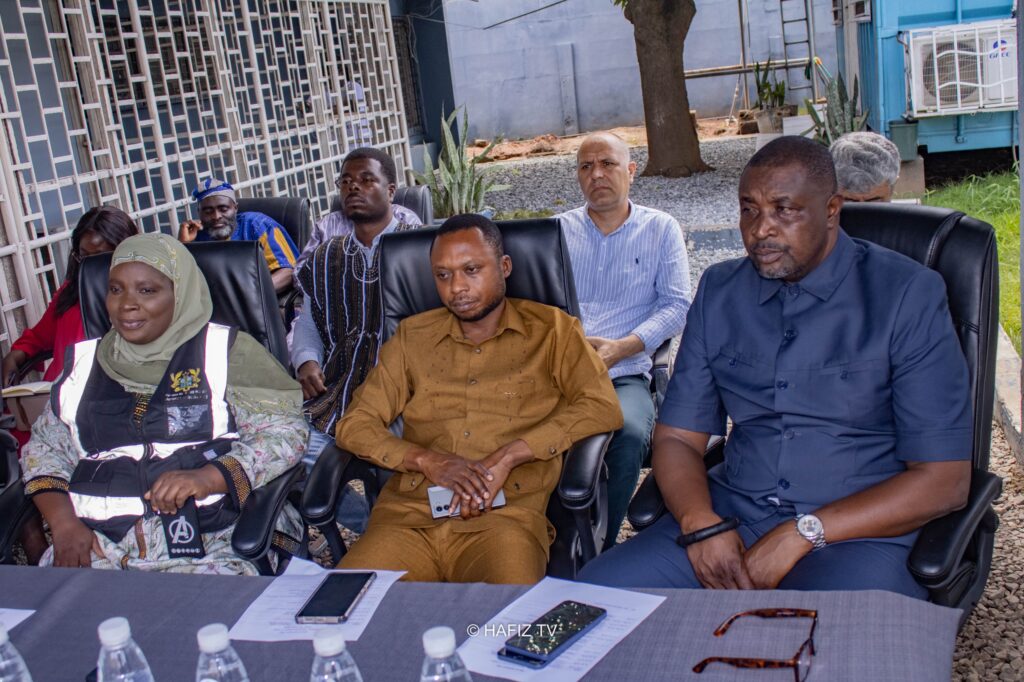
Speaking on behalf of the Minister for the Interior, the Chairman of the Ghana Refugee Board, Hon. Joseph Azumah, described World Refugee Day as more than a symbolic observance, calling it a reminder of the global responsibility to protect people forced to flee conflict, persecution, violence, human rights abuses and humanitarian crises.
According to the United Nations, more than 120 million people worldwide have been forcibly displaced, making the current displacement crisis one of the largest in modern history. Nearly 40 per cent of those affected are children whose education, safety and future prospects have been disrupted.
“Behind these statistics are real human stories,” Mr Azumah said. “Stories of mothers searching for safety for their children, young people whose education has been interrupted, and families trying to rebuild their lives after losing everything.”
He urged governments, development partners and communities to invest in refugee education, healthcare, livelihoods and social protection, stressing that refugees should be recognised for their potential rather than viewed as a burden.
“Refugees are not bandits,” he said. “They are people with talents, skills and aspirations. They are teachers, farmers, artisans, healthcare professionals, entrepreneurs and innovators who can contribute significantly to national development when given the opportunity.”
Ghana’s response to a growing regional crisis
The Executive Secretary of the Ghana Refugee Board, Hon. Nana Asare Bediako, highlighted Ghana’s longstanding tradition of refugee protection, noting that the country has become an increasingly important destination for people fleeing instability in the West African sub-region.
He revealed that Ghana is currently hosting more than 21,000 refugees from Burkina Faso who have sought safety from insecurity in the Sahel, with many settling in communities across the northern regions.
Mr Bediako said Ghana’s refugee response is increasingly focused on promoting self-reliance rather than dependency.
“At the heart of this approach is the Ghana Refugee Agro-Business Sustainability Project,” he explained. “The initiative seeks to connect refugees and host communities through agriculture, create employment opportunities and strengthen food security.”
He disclosed that the Ghana Refugee Board has secured more than 1,000 acres of land in the Upper East and Upper West regions to support the project, which is expected to improve livelihoods while fostering peaceful coexistence between refugees and host communities.
Despite these efforts, Mr Bediako warned that significant cuts in international humanitarian funding continue to threaten critical services.
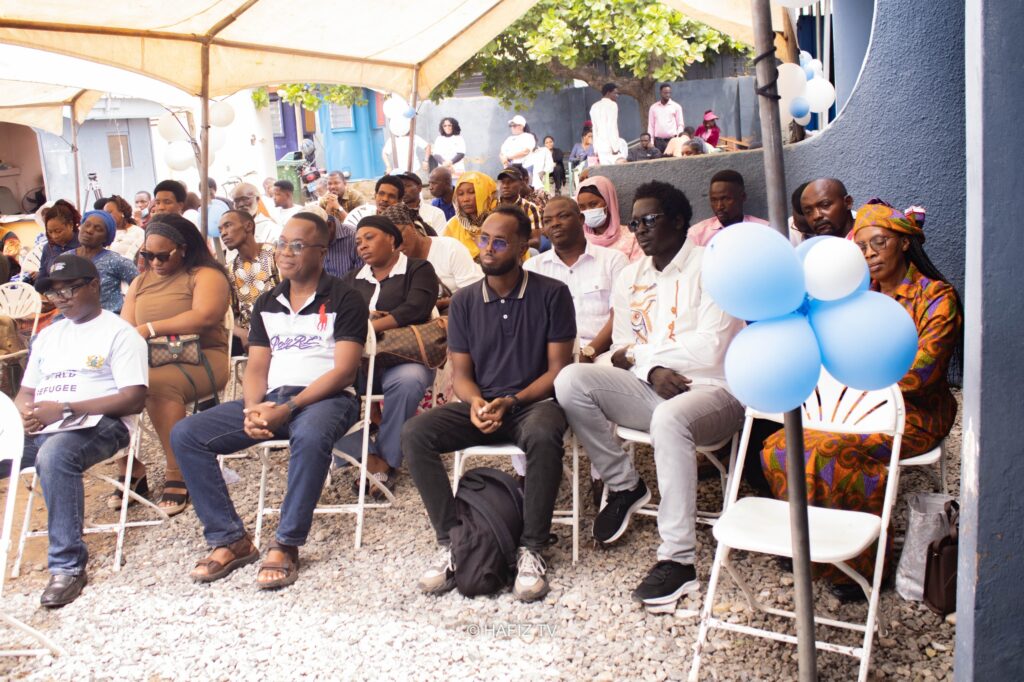
According to him, reductions in support from humanitarian partners have affected education, healthcare, water and sanitation services, supplementary feeding programmes and operational activities across refugee settlements.
“This is a challenging period,” he said. “But it is also an opportunity for innovation, stronger partnerships and sustainable solutions.”
UNHCR highlights global displacement challenge
Representing UNHCR, David Oppong, Protection Officer, reflected on the significance of the 1951 Refugee Convention, which marks its 75th anniversary this year.
The convention remains the cornerstone of international refugee protection and has shaped refugee legislation worldwide, including Ghana’s Refugee Act of 1992.
Mr Oppong noted that while the convention was originally developed in response to displacement following the Second World War, global forced displacement has continued to rise at unprecedented levels.
He said Africa remains both one of the largest sources of refugees and one of the regions hosting the highest numbers of displaced persons.
“Behind every statistic is a human being with rights, aspirations and dignity,” he said. “Refugees deserve the same fundamental human rights as everyone else.”
He also expressed concern over shrinking humanitarian funding at a time when displacement needs continue to grow, calling for greater international solidarity and investment in durable solutions.
Refugees share stories of resilience and hope
One of the most inspiring moments of the event came from Daphne Gama, a Togolese refugee and licensed Physician Assistant, who shared her journey from a refugee child to a healthcare professional serving communities in Ghana.
Ms Gama arrived in Ghana with her family in 2005 following political unrest in Togo. After completing her secondary education, she benefited from educational support through the DAFI Scholarship Programme, which enabled her to study Physician Assistantship at Central University.
Today, she is a licensed healthcare practitioner working under the Christian Health Association of Ghana.
Reflecting on her journey, she encouraged young refugees to take advantage of educational and skills-development opportunities.
“Every opportunity matters,” she said. “We should not sit back and wait for others to determine our future. We must use every opportunity available to improve ourselves and contribute to society.”
She also spoke about her voluntary work promoting menstrual hygiene awareness and breast cancer education in schools and communities.
Another refugee, Charles Papati, a Cameroonian healthcare professional, shared his experience of rebuilding his life in Ghana after fleeing conflict in Cameroon’s English-speaking regions.
Mr Papati, who had practised as a nurse for more than three decades before displacement, highlighted the resilience of refugees and their determination to remain productive members of society despite the challenges they face.
Renewing the promise of protection
This year’s World Refugee Day theme, “Until Everyone is Safe”, resonated strongly throughout the event, with speakers emphasising that the right to seek safety is a fundamental human right that must be protected.
Stakeholders called for continued collaboration between government institutions, international organisations, civil society groups and host communities to ensure that refugees are not only protected but also empowered to rebuild their lives with dignity.
As the world approaches the 75th anniversary of the Refugee Convention, participants said the challenge ahead is not merely to provide shelter but to create opportunities that allow displaced people to thrive.
[9:16 PM, 6/25/2026] HAFIZ LARRY ALHASSAN: Ghana Hosts Over 21,000 Burkina Faso Refugees as Authorities Push for Economic Inclusion
Ghana is increasingly positioning itself as a safe haven for people fleeing conflict and insecurity in the Sahel, with more than 21,000 refugees from Burkina Faso now seeking protection in the country, according to the Ghana Refugee Board (GRB).
The figures were revealed during the commemoration of World Refugee Day 2025, where government officials, humanitarian agencies and refugee representatives gathered to discuss the growing displacement crisis affecting West Africa and the measures being implemented to support those forced to flee their homes.
Officials warned that instability across the Sahel continues to drive displacement, placing additional pressure on host countries already grappling with economic and social challenges.
Speaking at the event, the Executive Secretary of the Ghana Refugee Board, Hon. Nana Asare Bediako, said Ghana’s refugee response is increasingly focused on long-term solutions that promote self-reliance rather than dependency on humanitarian assistance.
“Protection alone is no longer enough,” he said. “Refugees need opportunities to rebuild their lives, earn a living and contribute to the communities in which they live.”
As part of that strategy, the Board has launched the Ghana Refugee Agro-Business Sustainability Project (GRAS), an initiative designed to integrate refugees into agricultural value chains while creating jobs and strengthening food security in host communities.
According to Mr Bediako, the Board has already secured more than 1,000 acres of land in the Upper East and Upper West regions for the project, which is expected to benefit both refugees and local residents.
The programme represents a significant shift in Ghana’s refugee management approach, moving beyond emergency assistance towards economic empowerment and sustainable livelihoods.
Funding pressures threaten refugee support
The event also highlighted growing concerns over declining humanitarian funding, with officials warning that reduced donor support is affecting critical services provided to refugees.
Mr Bediako disclosed that cuts in international funding have impacted education, healthcare, water and sanitation services, nutrition programmes and operational support across refugee settlements.
The situation mirrors a broader global trend as humanitarian agencies struggle to respond to rising displacement with shrinking financial resources.
UNHCR raises alarm over global displacement
Representing the United Nations High Commissioner for Refugees (UNHCR), Protection Officer David Oppong described the current global displacement crisis as unprecedented.
According to UNHCR, more than 120 million people worldwide have been forcibly displaced due to conflict, persecution, violence and climate-related emergencies.
Mr Oppong noted that Africa continues to account for a significant proportion of both refugee-producing and refugee-hosting countries, with the ongoing crisis in Sudan and insecurity across the Sahel contributing to growing displacement figures.
He said Ghana’s continued commitment to refugee protection demonstrates the country’s adherence to international humanitarian obligations under the 1951 Refugee Convention and Ghana’s Refugee Act.
“Behind every statistic is a human being seeking safety, dignity and an opportunity to rebuild their life,” he said.
Refugees contributing to national development
The event also showcased stories of refugees who have successfully integrated into Ghanaian society and are contributing to national development.
Among them was Daphne Gama, a Togolese refugee who arrived in Ghana as a child and has since become a licensed Physician Assistant.
Through support from the DAFI scholarship programme, she completed her tertiary education and now works in Ghana’s healthcare sector while volunteering on health education initiatives in schools and communities.
Her story, organisers said, reflects the untapped potential within refugee populations when access to education and opportunity is provided.
Speakers throughout the event stressed that refugees should not be viewed solely as beneficiaries of aid but as individuals capable of making meaningful contributions to society.
A call for shared responsibility
Chairman of the Ghana Refugee Board, Hon. Joseph Azumah, called on governments, development partners and the private sector to invest in refugee inclusion programmes.
He argued that refugees possess valuable skills, talents and professional expertise that can support economic growth when barriers to participation are removed.
“Refugees are teachers, healthcare workers, entrepreneurs, artisans and farmers,” he said. “When given the opportunity, they contribute positively to the communities that host them.”
As displacement across West Africa continues to rise, Ghana’s refugee authorities say the challenge ahead is not only to provide protection but also to create pathways for refugees to live productive and dignified lives.
For a country increasingly at the frontline of regional displacement, officials believe sustainable inclusion may be the key to turning a humanitarian challenge into a development opportunity.
