
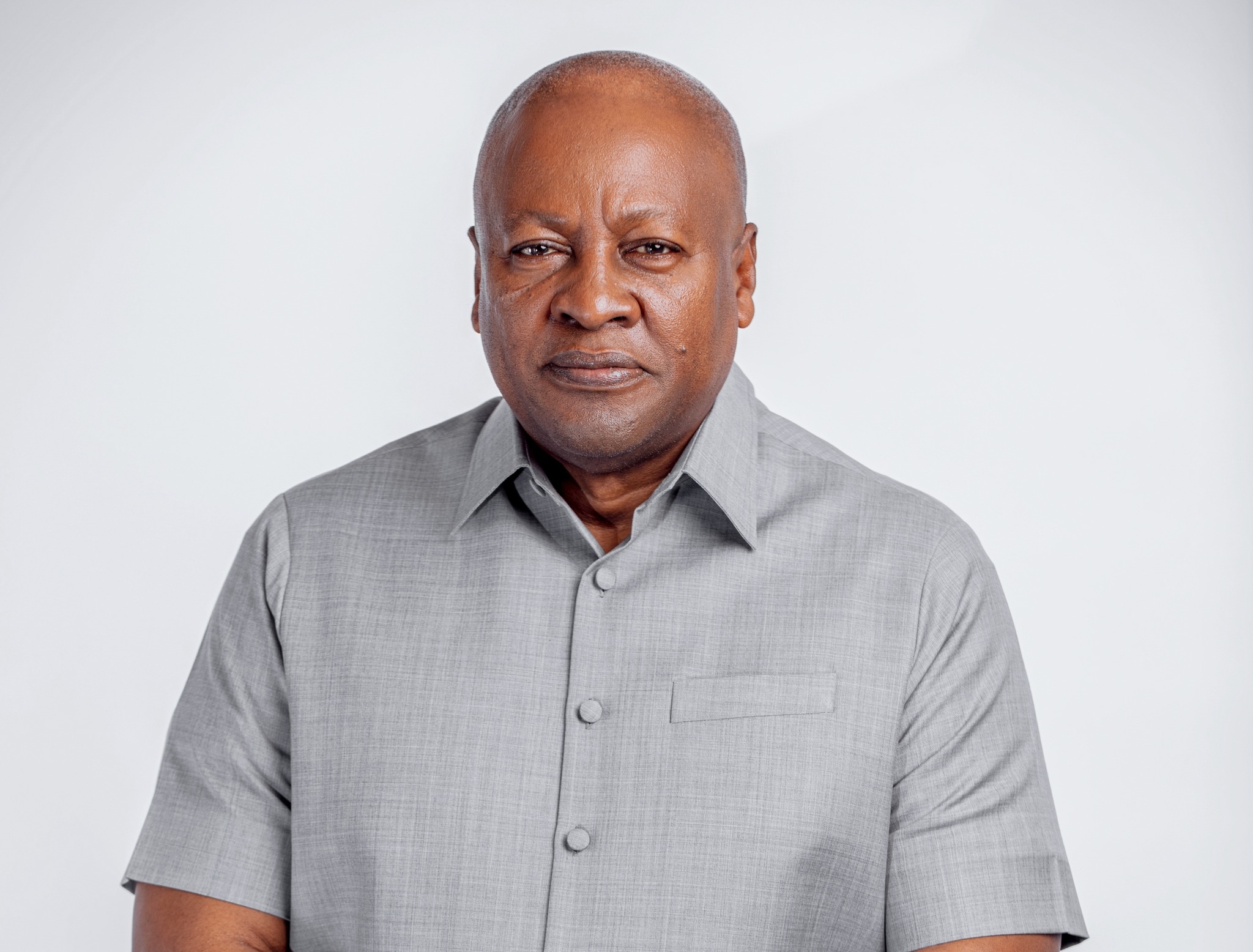
President John Dramani Mahama has declared Ghana is “rising again” after a year of “difficult but necessary reforms”, using his New Year address to the nation to outline an expansive domestic agenda and a bold call for Africa to lead a “global reset”.
In the televised speech on 1 January, marking one year since his return to office, the president claimed significant economic progress, citing a reduction of inflation from over 23% to “just above 5%”, restored international credibility, and the planned “dignified” exit from an International Monetary Fund (IMF) programme.
“We were told that recovery would take a generation. But I knew something our critics did not. I knew the resilient spirit of the Ghanaian people,” Mahama said, framing 2025 as a year of foundational repair for an economy inherited “on its knees”.
The president pledged to “accelerate and expand” his government’s efforts in 2026, with specific pledges including the operationalisation of a Free Primary Health Care Programme, a drive for food self-sufficiency, and social housing delivery via public-private partnerships. He promised “no sacred cows” in an intensified fight against corruption.
Central to his address was the “Reset Agenda”, a governing philosophy Mahama said had restored domestic faith in democracy and was now a model for international reform. He told Ghanaians the “Accra Reset Initiative” – launched at the United Nations General Assembly – was a framework to “address inequalities in the current global system” for Africa and the Global South.
“This is our moment. This is Ghana’s moment to lead,” he said, positioning the nation’s recovery as a catalyst for wider African renaissance. “As Ghana rises, we extend our hands to our neighbours.”
The speech struck a consistent tone of national unity, directly addressing political divisions. “There is no NPP Ghana. There is no CPP Ghana or NDC Ghana. There is only one Ghana,” Mahama stated, appealing for an end to “the politics of division”.
He issued a series of direct calls to action, telling young people they were “the leaders of today” and urging the diaspora to bring their “skills, resources, and networks back home”.
The president concluded with a vision of a future Ghana where young people no longer risk migration for opportunity, a statement analysts interpreted as an implicit critique of regional instability. “This is not wishful thinking,” Mahama said. “This is the Ghana we are building together.”
