
At a special celebration in Tema, the Authority recognises seafarers as the backbone of global trade and outlines plans to strengthen training, welfare and career opportunities under a forthcoming National Seafarer Development Policy.
The Ghana Maritime Authority (GMA) has marked the 2026 International Day of the Seafarer with a renewed commitment to improving the welfare, training and career development of Ghanaian seafarers, while recognising their critical contribution to global trade and economic growth.
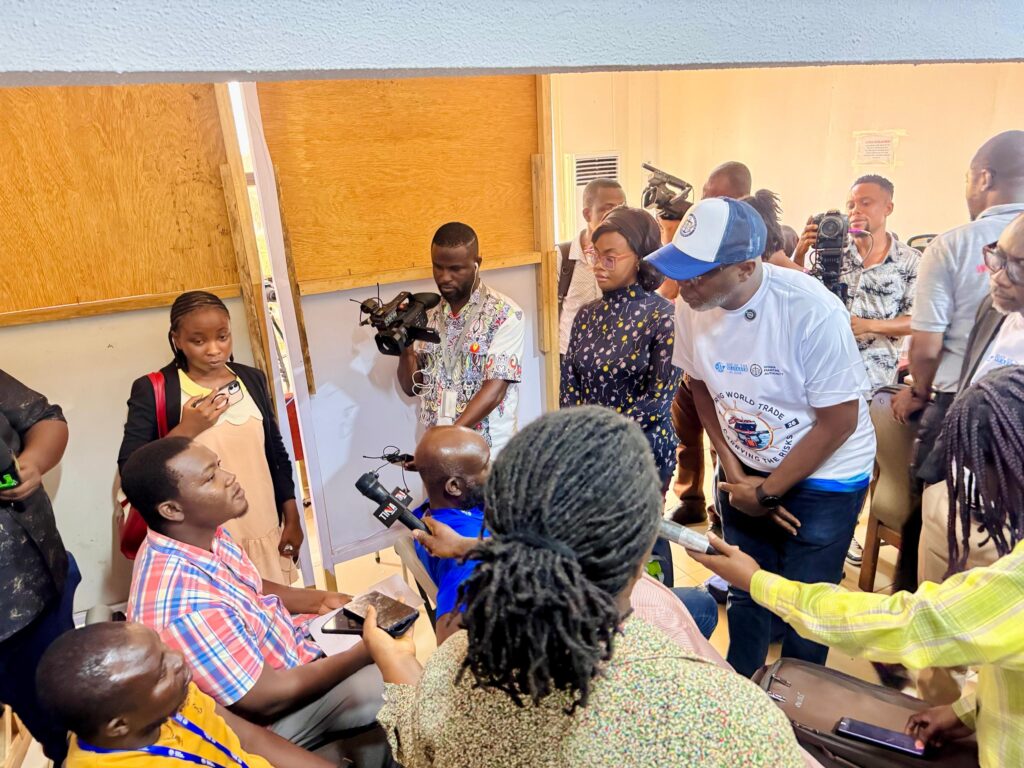
The celebration, held at the Authority’s Tema Office under the theme, “Carrying World Trade. Carrying the Risks,” brought together seafarers, maritime regulators, industry stakeholders, management staff and other dignitaries to honour the men and women whose work keeps international commerce moving.
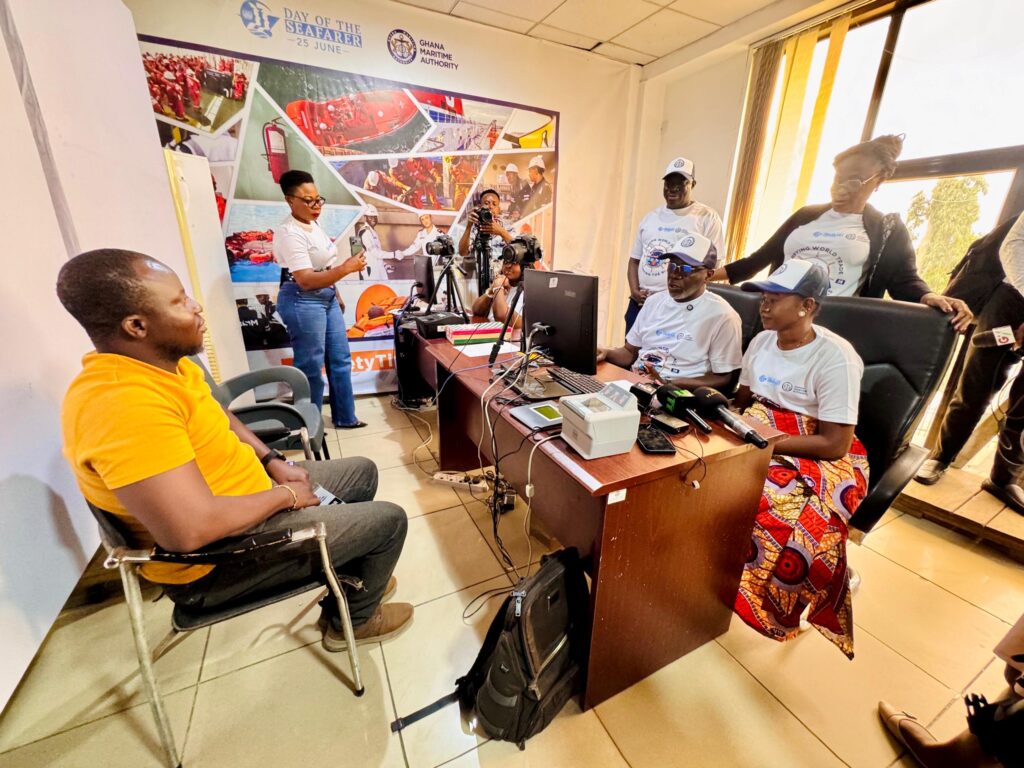
In a symbolic show of appreciation, the Director-General of the Ghana Maritime Authority, Dr Kamal-Deen Ali (Naval Captain Rtd.), together with members of management, stepped away from their traditional executive roles to personally serve and interact with seafarers. The exercise provided an opportunity for direct engagement on the challenges confronting maritime professionals while recognising their invaluable service to the industry.
Souvenirs were also presented to seafarers and staff members in appreciation of their contribution to Ghana’s maritime sector and the wider global economy.
“The World Is Connected Through Maritime”
Addressing participants, Dr Ali emphasised the indispensable role seafarers play in sustaining global trade, describing them as the often unseen workforce behind the world’s economies.
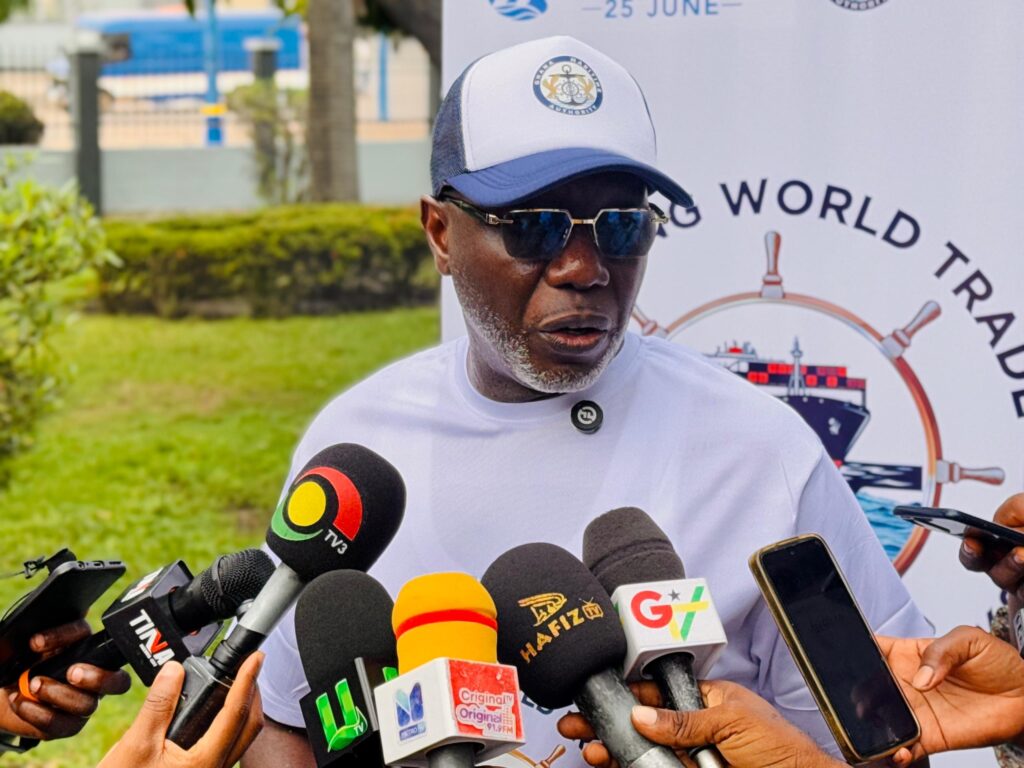
“The global community is only global because of maritime transport. If we did not have the maritime dimension to the earth, we would not be connected as one world,” he said.
He noted that seafarers transport essential commodities including fuel, medical supplies, food products and industrial equipment, enabling nations to function and economies to thrive.
“You may not see them, but they are the people who keep the world functioning. Behind every successful economy are seafarers working silently at sea to ensure goods reach their destinations.”
Illustrating the importance of their work, Dr Ali pointed out that a vessel carrying fuel supplies critical to millions of Ghanaians may be operated by only a few dozen crew members.
“Imagine a country of over 35 million people depending on fuel delivered by a ship manned by only about 25 or 30 seafarers. Without them, economic activity would grind to a halt.”
Ghana’s International Maritime Reputation
The Director-General also highlighted Ghana’s growing stature in global maritime training and certification.
According to him, Ghana remains on the International Maritime Organization’s White List, a distinction awarded to countries that meet internationally recognised standards in maritime education, training and certification.
The achievement, he said, has positioned Ghana as a preferred destination for maritime certification, attracting seafarers from across Africa and beyond.
“We are not only certifying Ghanaian seafarers. We are certifying seafarers from across the world. Once they pass through our systems, their qualifications are recognised globally.”
He commended former leadership of the Authority, maritime institutions and industry professionals whose efforts have contributed to Ghana’s respected standing within the international maritime community.
New National Seafarer Development Policy
A major announcement during the celebration was the planned launch of a National Seafarer Development Policy, expected to be unveiled by President John Dramani Mahama in the coming months.
Dr Ali explained that the policy is intended to create a structured framework for developing Ghana’s maritime workforce and expanding opportunities for young people seeking careers at sea.
“We are creating a roadmap that will promote Ghanaian seafarers, increase our numbers globally and maximise the economic benefits of maritime employment.”
The policy will also address financial barriers facing maritime students pursuing specialised programmes such as marine engineering and nautical science.
“Unlike many students, seafarers currently have limited access to educational support systems. We want to bridge that gap because once they qualify, they have strong employment prospects and can comfortably repay educational loans.”
He disclosed that mechanisms including educational loans and other support schemes are being considered to help students access maritime training.
Focus on Welfare and Social Protection
The Authority is also exploring measures to improve social protection for seafarers through a dedicated welfare framework.
Dr Ali revealed plans to integrate seafarers more effectively into Ghana’s social security system while establishing a welfare fund to support maritime workers during emergencies.
The proposed fund would provide assistance in situations such as medical evacuations, abandonment at foreign ports and other unforeseen circumstances.
“We want to nationalise the welfare of our seafarers. If a Ghanaian seafarer is stranded or requires urgent assistance anywhere in the world, there should be a system in place to support them.”
Expanding Opportunities for Women
The Director-General used the occasion to celebrate the achievements of women in Ghana’s maritime sector, noting that the country has produced some of Africa’s pioneering female ship captains.
“It is not widely known, but Ghana produced some of the best female captains in the world long before many countries did.”
To increase female participation, he disclosed that the Authority now encourages shipping companies to provide more opportunities for women whenever training placements and employment openings arise.
Mentorship programmes are also being developed to support women navigating the unique demands of maritime careers.
Seafarers Speak
For many seafarers, the event represented long-overdue recognition of a profession that often operates behind the scenes.
David, a Ghanaian Chief Officer, described the celebration as a reminder that the sacrifices made by seafarers are not going unnoticed.
“Everything depends on international trade. We face difficult weather conditions and spend long periods away from our families, but it is a profession I am proud to be part of.”
He encouraged young people to consider maritime careers.
“The sky is not the limit. Keep aiming higher.”
Another seafarer, Jude, described the profession as demanding but rewarding.
“It is a very tasking job and not everyone can do it. That’s why it feels good when our efforts are recognised.”
For Nigerian marine engineer Toby, the significance of the day lies in recognising the people who keep the global economy moving.
“The world economy moves because of seafarers. We transport commodities that keep industries running and connect countries through trade. Without seafarers, global commerce would not function.”
Reflecting on life at sea, he added:
“The sea teaches you discipline and preparedness. Every day presents new challenges and you must always be ready.”
Recognising the Unsung Heroes of Global Trade
Observed annually on 25 June, the International Day of the Seafarer celebrates the contribution of maritime professionals to international trade and the global economy.
This year’s celebration in Tema not only highlighted the sacrifices and achievements of seafarers but also provided a platform for direct engagement between maritime regulators and industry professionals on issues affecting welfare, training and career progression.
As the event concluded, the message from both regulators and seafarers was clear: while seafarers may spend much of their careers out of public view, their work remains fundamental to global commerce, economic development and everyday life.
Under the theme “Carrying World Trade. Carrying the Risks,” the celebration served as a reminder that behind every shipment, every port operation and every global supply chain are men and women whose dedication keeps the world connected.
